
Buying new or old property: what is the best real estate strategy?
When considering the purchase of a new or old property, the question always arises: what is the best strategy?
Between a contemporary apartment straight from a new development and a charming older building full of character, the decision can quickly become a real dilemma. Beyond mere aesthetic preference, the choice involves considerations such as comfort, renovation work, energy performance (DPE), tax advantages, and potential for value appreciation.
New or Old: A Matter of Preference, but Not Only…
The debate is not just about choosing a “modern” or “authentic” style. It also concerns durability, modern materials, current standards, future maintenance costs, warranties, insulation, access to financial aids, and the ability to personalize the property.
The right choice often depends on your buyer profile: investor, first-time buyer, secondary home purchaser, or a family looking for a state-of-the-art home.
The Advantages of Buying New

Mandatory Warranties Associated with Buying a New Property
One of the greatest advantages of new properties remains the builder’s warranties. They secure your purchase for several years:
-
Ten-year warranty: covers structural damages for 10 years.
-
Two-year warranty: protects equipment and installations.
-
Completion guarantee: valid for 1 year after delivery.
These protections reassure buyers, especially those looking to minimize financial risks from unforeseen repairs
Modern and Compliant Equipment
A new property comes with state-of-the-art equipment, especially in electricity, ventilation, home automation, and heating. Everything is designed according to current standards, ensuring reliable and durable installations, with often lower condominium fees during the first few years.
New Properties: A Guarantee of Optimal Energy Performance
New constructions are designed to deliver high energy performance (DPE). Thanks to careful insulation and modern materials, they consume much less energy than older properties. This is a major long-term advantage, both for comfort and for controlling your energy budget
The Case of New Developments and the Flexibility They Offer
Buying in a new development allows for extensive customization: choosing finishes, the kitchen, the bathroom, and even the interior layout. This flexibility provides a home truly tailored to your needs, with no compromises.
Buying New: The Ideal Way to Avoid Major Renovations in the Near Future
With modern materials, there is no immediate need for renovations. The property requires minimal maintenance during the first few years, representing a real saving of time and budget.
Financial Incentives for Buying New and Property Tax Exemption
Buying new sometimes provides access to favorable tax benefits:
-
Reduced VAT in certain areas
-
Partial or total property tax exemption for 2 years
-
Zero-Interest Loan (PTZ) for first-time buyers
These measures often make property ownership more accessible
Are There Any Drawbacks to Buying a Newly Built Property?
New properties do have some limitations:
-
A sometimes higher price per square meter
-
Locations generally on the outskirts
-
A delay between signing and delivery
-
Limited room for negotiation
Depending on your project, these factors can influence your decision
The Advantages of Investing in an Older Property
The Variety of Older Properties on the Market
Village houses, typical chalets, town-center apartments, lofts… Older properties offer an architectural variety far richer than new builds. Each property has its own character, charm, or unique potential.
Potentially Favorable Price Negotiation for the Buyer
Older properties generally allow for price negotiation. The condition of the property, the need for certain renovations, or an imperfect energy performance rating (DPE) can justify an adjustment, often opening the door to great opportunities.
Energy Renovation Incentives Offered for Older Properties
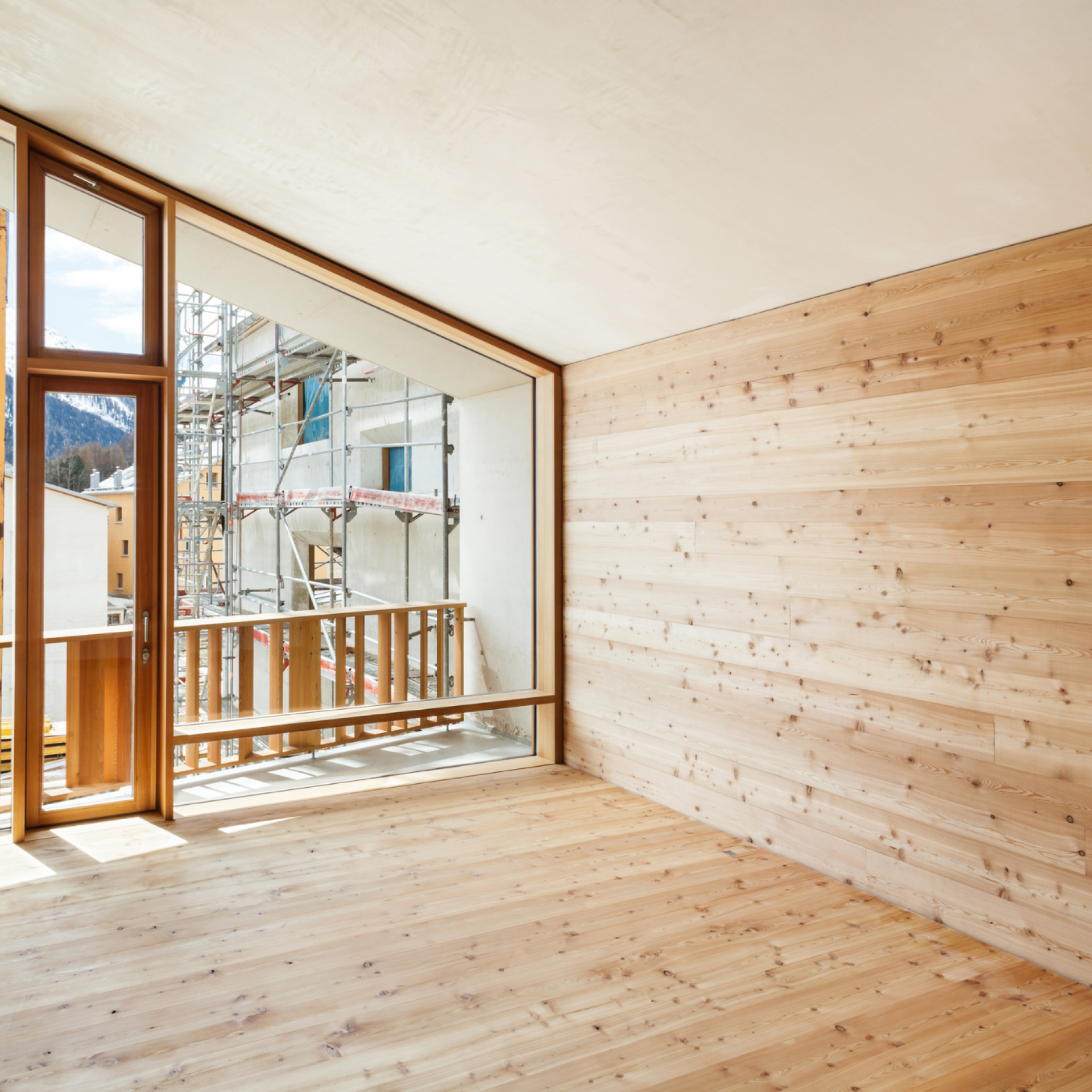
Renovating an older property gives access to several incentives:
-
MaPrimeRénov’
-
Energy Saving Certificates
-
Local grants
-
Eco Zero-Interest Loan (Eco-PTZ)
These can significantly reduce the total cost of the renovation works
The Limitations of Investing in Older Properties
Older Property and Outdated Installations: Consider Renovation Costs
An older property may conceal outdated installations, poor insulation, or significant expenses to anticipate. Bringing the property up to current standards can require a substantial budget.
The Importance of Anticipating Major Planned Works in a Condominium
Roof, façade, elevator, central heating… Older condominiums sometimes require major interventions. It is essential to review the minutes of general meetings to anticipate future expenses.
Buying New or Old: A Quick Summary at a Glance
Here’s a comparison table to quickly visualize the advantages of both options:
| Criteria | New Property | Old Property |
|---|---|---|
| Energy Rating (DPE) | Excellent | Variable |
| Renovation Work | Minimal | Often required |
| Tax Benefits | Sometimes advantageous | Renovation incentives |
| Materials | Modern | Sometimes outdated |
| Customization | High | Limited |
| Price per m² | Higher | More affordable |
Whatever your property purchase project, Collection Chalet is here to support you.
Whether you are looking to buy a modern, contemporary property, perfectly insulated and compliant with current standards, or prefer the charm of an older home with renovation potential, our team will guide you every step of the way.
Our personalized buying guide helps you understand all the aspects of your purchase, whether it’s a new development or a traditional property.
Charly.G