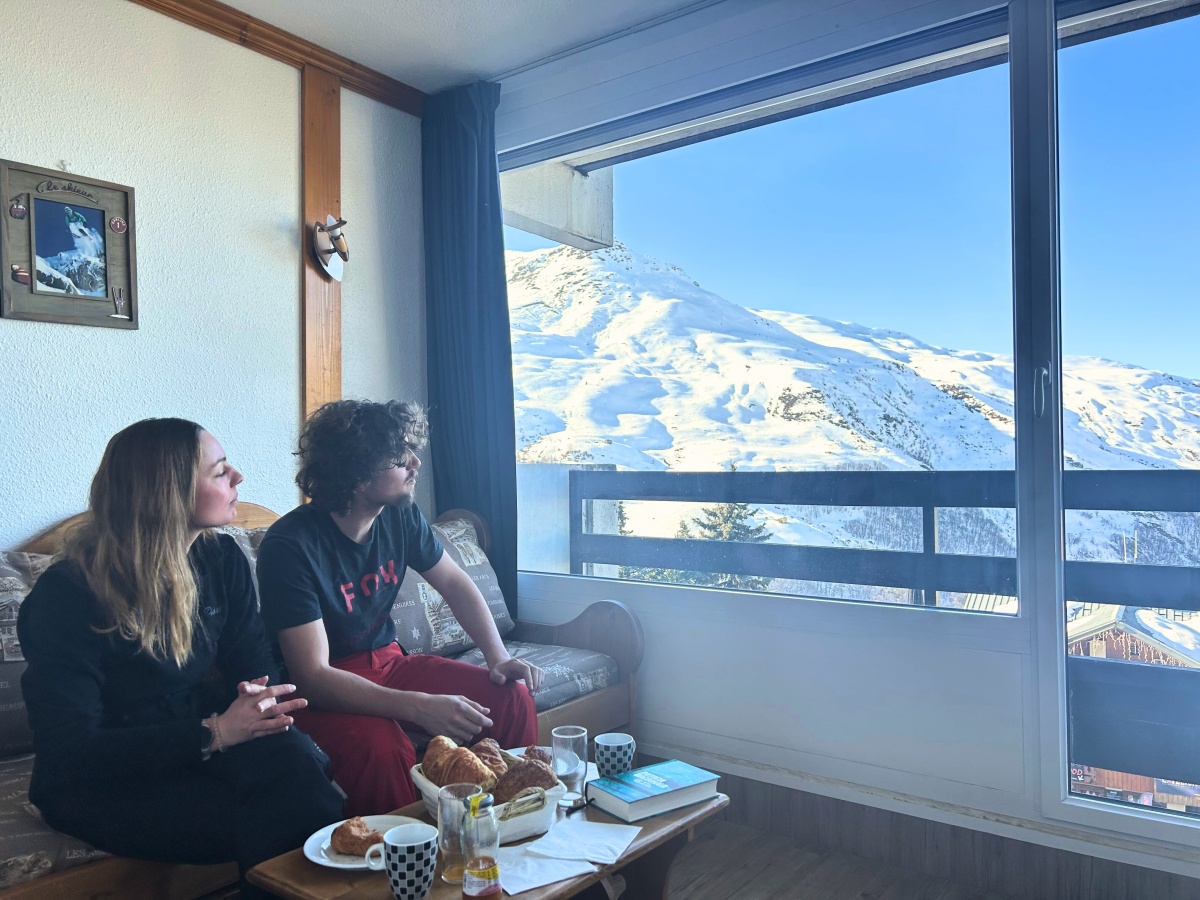
Seasonal rental of your second home: advantages, processes and taxation
Why let your second home on a seasonal basis?
An important source of extra income

Letting your second home on a seasonal basis can be an attractive source of income. Depending on the location and time of year, the income generated can cover the costs associated with the property: property tax, community fees, maintenance costs and other running expenses. For some owners, it can even be a profitable rental investment, allowing them to grow their wealth over the long term.
Some owners use this income to pay off a mortgage, fund renovations or build up savings for other projects. In high season, particularly during school holidays, tourist rental rates can be particularly high, increasing profitability.
What's more, in certain popular areas, such as ski resorts, seaside resorts and major tourist cities, seasonal rents are much higher than long-term rents, optimising profitability.
The flexibility of seasonal letting, an opportunity for landlords
One of the main advantages of short-term rentals is the flexibility they offer to property owners. Unlike long-term rentals, you enjoy complete freedom to use your property according to your needs and preferences. It is possible to occupy your property during certain periods of the year, such as for your own holidays, while continuing to rent it out at other times.
This flexibility provides several concrete benefits:
-
No long-term commitment: you rent your property only when you want, unlike a long-term lease that binds you for months or years.
-
Opportunity to make improvements between rentals: you can carry out maintenance, renovations, or upgrade your property’s amenities.
-
Ability to test the rental market: if you plan to rent out your property permanently, starting with short-term rentals allows you to evaluate demand and profitability without long-term commitment.
-
Easier selection of tenants: unlike long-term rentals, where evicting a problematic tenant can be difficult, short-term rentals allow you to choose your guests more freely and reduce the risk of unpaid rent.
In summary, short-term rentals combine the possibility of generating attractive income with the freedom to use your property, offering optimal control over your real estate investment.
The growing popularity of short-term rentals
The short-term rental market has experienced remarkable growth in recent years. The strong success of seasonal accommodation booking platforms for peer-to-peer rentals, such as Airbnb, Booking or Abritel, has profoundly transformed travel habits by offering a flexible and diverse range of accommodation. These platforms enable property owners to enhance the value of their assets while meeting a growing demand from travelers.
At the same time, traveler behavior is evolving. There is a noticeable reduction in air travel in favor of closer destinations, along with an increased search for authenticity and local experiences. Travelers now favor accommodation that offers greater comfort and privacy than traditional hotels, with well-equipped, welcoming properties that are ideal for family or group stays.
However, managing a short-term rental property can be time-consuming if it is not delegated to a professional. It also involves certain potential risks, such as property damage, disputes, or unpaid rents, although these situations remain limited when the property is managed carefully and supported by appropriate safeguards.
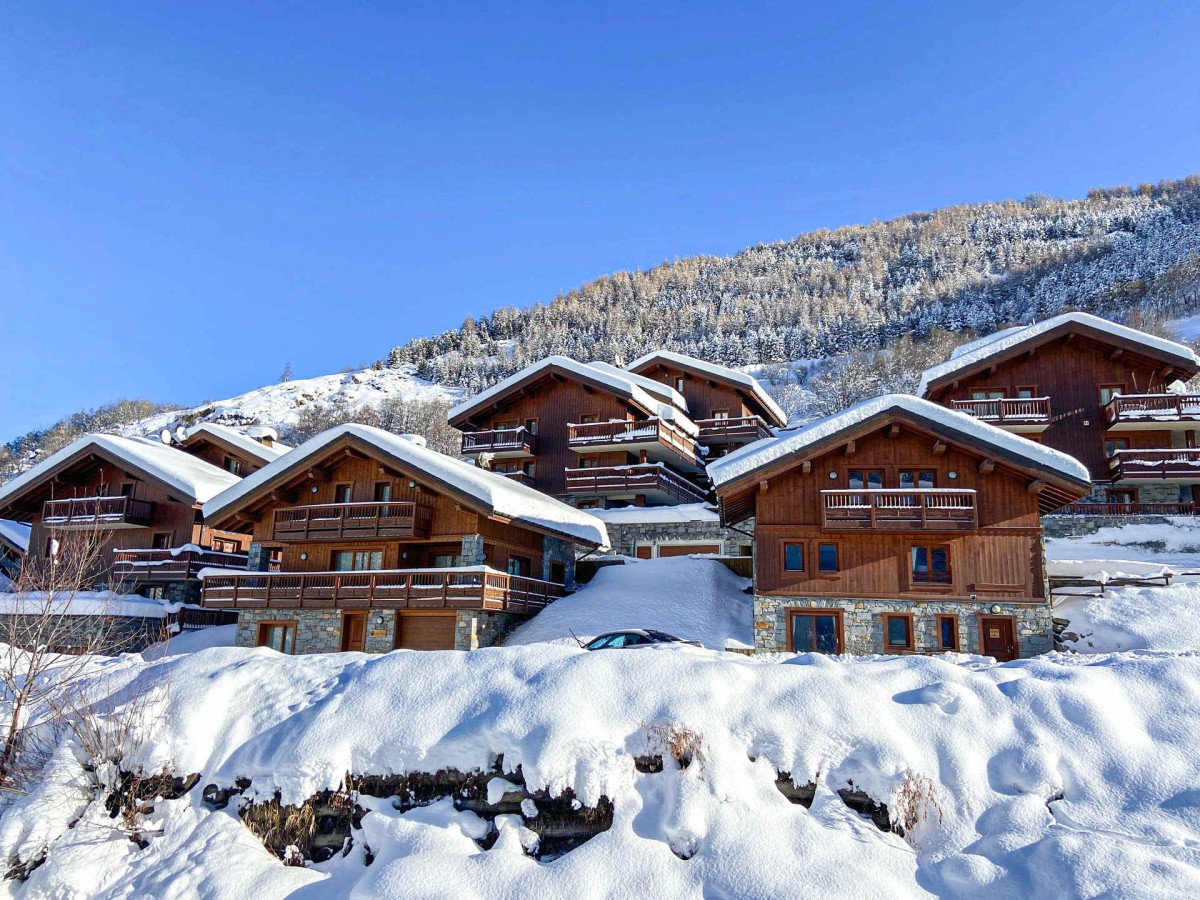
Seasonal rental of a second home is an attractive option for property owners. What if it was time to invest in a off-plan program?
Focus on the rules you need to follow when letting your second home on a seasonal basis
The legal status of seasonal letting
A property rented out on a furnished basis for a short period is considered to be furnished tourist accommodation. This status requires compliance with certain specific rules, particularly with regard to reporting and taxation.
Compulsory administrative formalities for owners of short-term rental properties
There are a number of administrative formalities that you must complete before offering your property for tourist rental:
- Registration with the local council: this is compulsory for furnished tourist accommodation and enables the local council to better control the supply of rental accommodation
- Registration number: in many cities, a registration number is required in order to publish an advertisement on reservation platforms
- Compliance with safety standards: smoke detectors, fire extinguishers, the property must comply with current safety regulations
- Specific insurance: it is advisable, if not compulsory, to take out insurance to cover any damage caused by tenants
What about local restrictions and limits?
Setting the right price is essential to maximize the profitability of your short-term rental while remaining attractive to travelers. Several factors should be considered to establish a fair and competitive rate.
Location plays a decisive role. An apartment or house in the heart of a popular tourist area or close to amenities will generally command higher rates than a more isolated property. Seasonality also affects pricing: during high season, especially school holidays, strong demand may justify higher rates, while in low season, promotional offers can help maintain a high occupancy rate.
The amenities and services offered also influence pricing. Properties with premium features, such as a spa, fireplace, or terrace with a view, can justify higher rates. It is also important to analyze the prices of similar properties on booking platforms to position yourself competitively.
Length of stay impacts profitability: offering discounted rates for longer stays can encourage multi-night bookings and reduce vacant periods. Local events, such as festivals or sports competitions, can also temporarily increase demand and allow price adjustments.
Finally, it is crucial to consider legal and regulatory restrictions: some municipalities limit the number of short-term rental days per year, and the condominium regulations may impose restrictions or conditions on short-term rentals. These rules should be integrated into your pricing strategy to avoid disputes and optimize your rental.
Your legal obligations as the owner of a seasonal rental property
As the landlord, you must comply with certain legal obligations:
- Register the furnished accommodation with the local council
- Compliance with safety standards (compulsory smoke detectors, conformity of electrical installations, etc.)
- Display of tourist tax, if applicable
- Inform tenants of co-ownership rules and safety instructions.
Although it is not compulsory, it is strongly recommended that you:
- Draw up a rental contract stating the duration of the stay, the rent and the charges
- Make an inventory of the furnishings on arrival and departure
- Ask for a deposit to provide financial security in the event of damage.
Managing and optimising seasonal rentals
How do you price your holiday rental property?
Setting the right price is essential if you want to maximise the profitability of your holiday rental while remaining attractive to travellers. There are several criteria to consider.
Location matters. An apartment or house in the heart of a popular resort or close to amenities will command a higher rent than a more isolated property. Seasonality also affects prices. In high season, especially during school holidays, demand is high and prices can be adjusted upwards. Conversely, in the low season, promotional offers can attract more bookings and optimise occupancy.
Facilities and services are another important factor. A property with premium services such as a spa, fireplace or terrace with views will justify a higher price. It is also important to analyse the prices of similar properties on booking platforms in order to position yourself competitively.
Length of stay also affects profitability. Offering discounted rates for longer stays can encourage travellers to book multiple nights, reducing the number of empty days between two rentals. Finally, consider local events, such as sporting competitions or festivals, which can increase demand and allow you to adjust prices accordingly.
An effective strategy relies on flexible, scalable pricing. Using dynamic pricing tools means that prices can be automatically adjusted in line with demand and market trends to maximise revenue.
The importance of making your property attractive
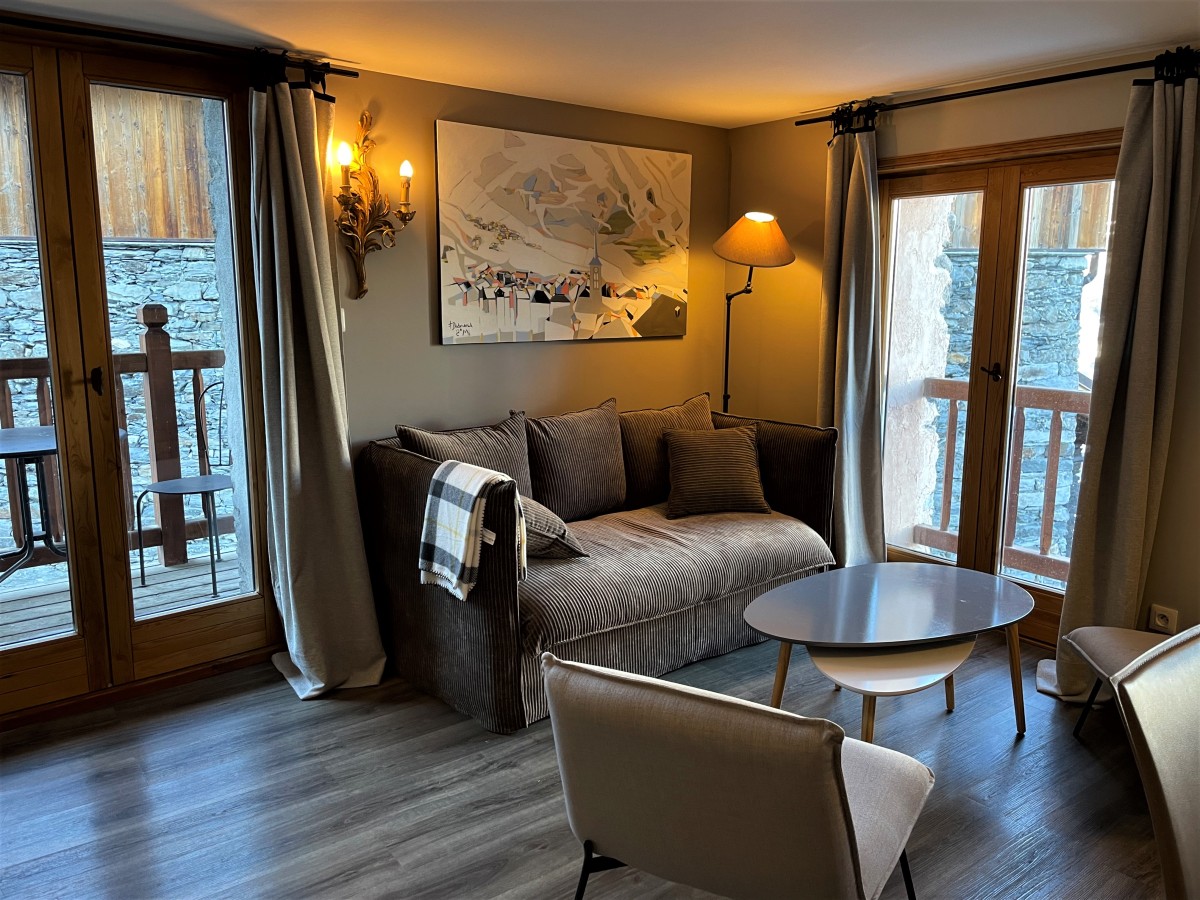
To stand out in the short-term rental market, it is essential to offer a property that attracts and retains travellers.
- Furnishings and decor are the first things potential tenants notice: a warm interior, tasteful decor and modern facilities add real value.
- Quality bedding, a well-equipped kitchen and a good Wi-Fi connection are now essential to attract holidaymakers.
- Photographs play an important role in the booking decision. An advert with high quality images will generate more interest. It is advisable to take photographs in full light, highlighting the rooms and strong points of the property. A photographer who specialises in property photography can be a good investment to maximise the appeal of your advert.
- The description of the property should be clear and appealing. Highlighting your property's unique features, such as panoramic views, direct access to the slopes or a jacuzzi, can make all the difference. It's also a good idea to include information about nearby activities, shops within walking distance and transport links.
- Finally, offering additional services can enhance the traveller's experience and encourage higher ratings. Offering household linen, an end-of-stay cleaning service, a welcome basket or facilities for children is a real asset in attracting a wider customer base and retaining tenants.
Advertising your property: yourself or through a rental management agency?
Managing a short-term rental requires significant involvement, particularly for handling listings, bookings, and property maintenance. Property owners have two main options: manage the rental themselves or use a specialized management agency.
Managing the rental yourself offers several advantages:
-
Savings on management fees, as no commission is charged.
-
Full control over tenant selection, pricing, and communication with guests.
However, this option also has disadvantages:
-
It requires significant time and availability, especially for responding to inquiries, organizing check-ins and check-outs, and ensuring cleaning and maintenance.
-
Administrative and tax management is entirely your responsibility.
Using a property management agency provides a turnkey solution:
-
The agency handles the entire process, from creating the listing to selecting tenants, managing maintenance, and overseeing administrative tasks.
-
It helps maximize occupancy rates through market expertise and optimized marketing strategies.
-
You benefit from complete peace of mind, especially if you live far from the property or lack the time to manage it yourself.
The main disadvantage of this solution is financial: the agency usually charges a commission on rental income, slightly reducing your net profit.
In summary, the choice between these two options depends on the time you can dedicate, your level of expertise, and your willingness to delegate management to optimize profitability without operational constraints.
Taxation and profitability of seasonal letting of second homes
The tax regime applicable to seasonal letting by private individuals
Short-term furnished lettings are taxed as industrial and commercial profits (BIC). You have two options:
- The micro-BIC regime: 50% deduction on rental income
- The actual regime: deduction of charges and maintenance costs, which is more advantageous in the case of large expenses.
What taxes and charges should you be aware of when renting out your property on a short-term basis?
In addition to property tax, you will have to pay:
- Tourist tax, if applicable
- Any social security contributions if your rental income exceeds a certain threshold
- Co-ownership fees and regular maintenance costs
Deducting expenses and maximising the profitability of holiday lettings
You can deduct a wide range of expenses under the current system:
- Loan interest
- Maintenance and renovation costs
- Co-ownership fees
- Insurance specific to holiday lettings
- Rental management costs if you use an agency
Properly managed, a holiday let can help your property grow while generating additional income.
>> Read also all the tax advantages of a second home.
Why choose Collection Chalet to manage your holiday rental?
Entrusting the management of your seasonal rental to Collection Chalet means opting for a turnkey service that combines expertise, profitability and peace of mind. We'll be with you every step of the way to maximise your rental income while freeing you from administrative and operational constraints.
We take care of everything: marketing your property, creating an optimised advertisement, managing bookings and payments, welcoming tenants, maintenance and professional cleaning, administrative and tax monitoring. Our in-depth knowledge of the short-term rental market means that we can adjust our rates according to the season and tourism trends to maximise your income.
We offer personalised monitoring and 24/7 availability during high season to ensure travellers have a first class experience and your property is kept in excellent condition. Thanks to our network and rental investment expertise, your second home becomes a reliable and optimised source of income, while maintaining your freedom of occupation.
Want to rent without the hassle? Rely on Collection Chalet to grow your wealth with complete peace of mind.
C. JAY