How can I take advantage of the tax benefits associated with a second home?
Definition and specific tax aspects of second homes
What is a second home in legal terms?
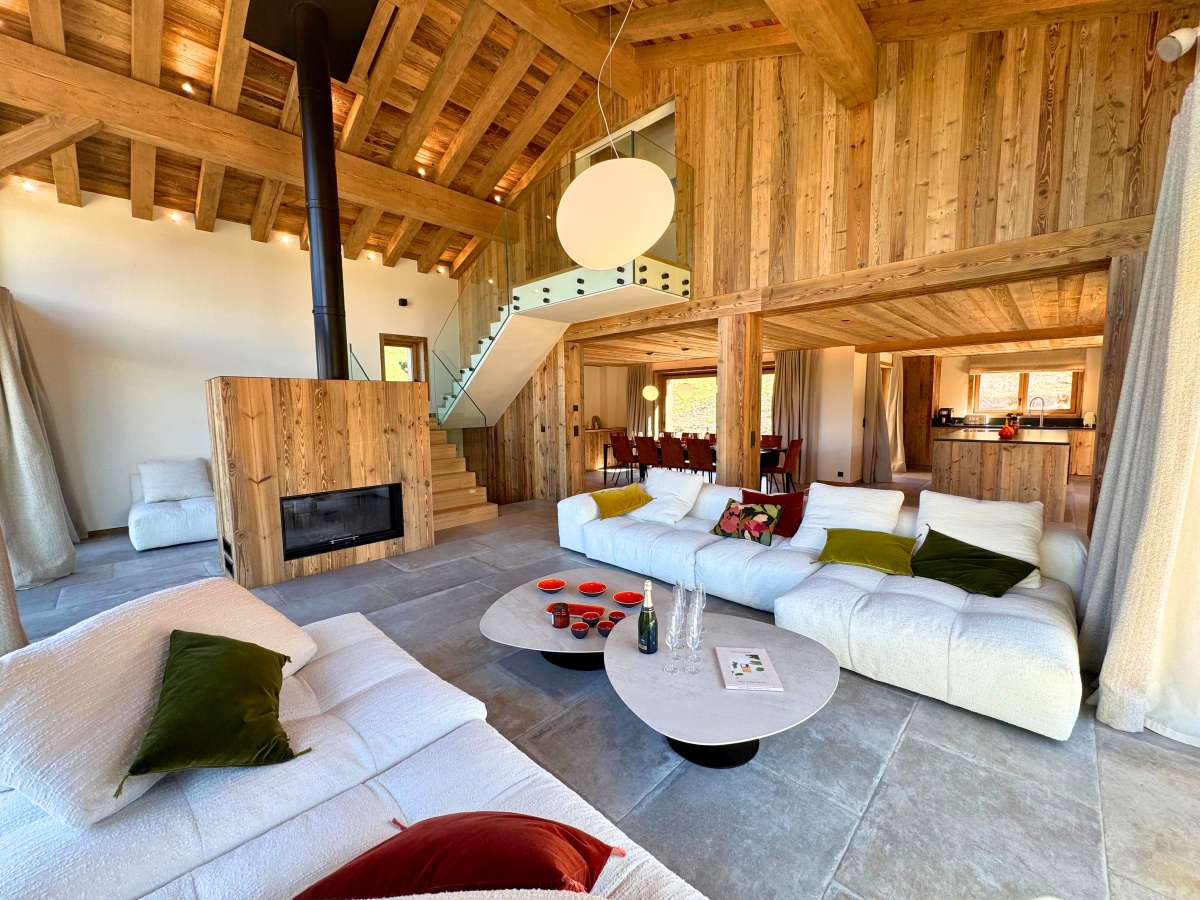
A secondary residence is a property that is not the main residence and that is used on a temporary basis, particularly during holidays, weekends or vacations. It can be a holiday home, a pied-à-terre or a seasonal dwelling, used on a personal basis or rented out on a seasonal basis.
How is this type of property taxed?
Unlike a main residence, a second home is not exempt from Council Tax. It is also subject to capital gains tax on resale, with some exceptions. Income from the rental management of the property must be declared, often under the BIC (business and industrial profits) regime. However, by optimising the tax treatment of your holiday home, you can reduce this tax burden.
When can second homes benefit from tax advantages?
The LMNP status and the inherent tax advantages
The Non-professional furnished rental (LMNP) status allows you to benefit from tax advantages for a second home. In particular, this status allows you to:
- Deduct expenses (loan interest, management fees, insurance, etc.)
- Depreciate the property over several years, which significantly reduces your taxable income
- Choose between the micro-BIC system (flat-rate deduction of 50%) and the actual system, which is often more advantageous in the case of high expenses
This mechanism represents an excellent opportunity for tax optimisation for a holiday home that generates additional income.
What is the tax treatment of a property classified as furnished tourist accommodation?
A property classified as furnished tourist accommodation benefits from a specific tax allowance of 71% under the micro-BIC scheme. Depending on the geographical area (particularly rural or regeneration areas), it is also possible to benefit from tax reductions or partial exemptions. This scheme makes it possible to combine tax relief with property improvement.
The tax benefits of energy improvements to a second home

Although energy renovation tax credits (such as MaPrimeRénov') are mainly intended for primary residences, some grants may be available for secondary residences, especially in rural or classified areas. Some local authorities also offer local or regional tax relief schemes to encourage work. So it's important to be well informed if you want to maximise the tax benefits of your second home.
Do tax relief and wealth transfer go hand in hand?
Anticipating the transfer of your real estate assets is a good way to optimise your tax position. One of the most common strategies is to set up a family property company (SCI : Société Civile Immobilière), which offers tax relief through the stripping and gifting of bare ownership. Tax relief can also be obtained by staggering gifts, with tax allowances renewable every 15 years.
Conditions to be met in order to benefit from the tax advantages associated with a second home
Status and administrative procedures
Getting the right status is essential. To qualify for BIC or LMNP status, you must :
- Register with the Registrar of Companies
- Obtain a SIRET number
- Opt for micro or real tax status with the tax authorities
These steps will ensure that your second home is tax efficient, especially if it is used for seasonal letting.
Declaration and tax obligations
All rental income must be declared. In the case of furnished rentals, the income is taxable as BIC. It is also essential to keep all supporting documents (invoices, rental contracts, etc.) in the event of an audit. This rigorous approach guarantees the long-term tax optimisation of your holiday home.
Check local regulations if you want to take advantage of tax breaks
Some high-tax areas impose restrictions on seasonal lettings. You may need to obtain a change of use permit or comply with rent limits to qualify for certain tax exemptions or reductions. Always check with your local council or authority. Tax optimisation also means complying with the rules.
The tax advantages of a second home: some practical examples of optimised schemes
The case of a second home rented out as furnished tourist accommodation in a rural area
Let's take the example of a pied-à-terre in the Alps rented out as classified furnished tourist accommodation. Under the micro-BIC scheme, the owner benefits from a 71% tax allowance on the rental income. This way, you make the most of the tax benefits of a second home.
If he opts for the actual tax system, he will be able to depreciate the property and deduct all expenses for tax purposes. This approach is a perfect illustration of the tax benefits of a well-managed second home.
The example of the family SCI for anticipating the transfer of property assets
Setting up a family SCI means that secondary property can be gradually passed on to heirs while retaining control of its management. This arrangement allows you to benefit from gift tax allowances and to avoid a sudden resale, which is often subject to tax penalties. In this way, tax optimisation is part of a long-term vision for property wealth.
What about the tax benefits of renovating an old second home with public support?
Owners who renovate an old second home to make it more energy-efficient may, under certain conditions, be eligible for local grants, the French National Housing Agency (ANAH) subsidies or tax credits, particularly under specific regional programmes. This strategy increases both the comfort and the tax advantages of your second home.
What you need to know about taxation before investing in a second home
Things to consider: local taxation, rental vacancies, resale & tax relief
There are a number of issues to consider before investing:
- Local taxation (property tax, council tax for second homes)
- The risk of rental vacancy, particularly in low tourist areas or out of season
- Capital gains on resale, which are subject to tax and social security contributions, unless specific exemptions apply after 22 or 30 years
- Tax relief available, depending on the length of time the property has been held
These factors will help you to better anticipate the net return on your investment and optimise the tax benefits of your second home.
Why not enlist the help of a professional to make the most of the tax benefits associated with a second home?

Tax and legal arrangements can sometimes be complex, so it may be advisable to use the services of an accountant, solicitor or wealth manager. These professionals will help you structure your investment, maximise tax relief and ensure your holiday home tax optimisation strategy.
Summary table of tax regimes depending on the type of rental
Before concluding, here is a summary table of the tax rules applicable to a second home, depending on how it is used:
|
Type of rental |
Tax regime
|
Tax advantage |
Main conditions |
| Furnished rental (unclassified) |
Micro-BIC |
50% allowance | Income < €77,700 |
| Furnished rental for tourism classified |
Micro-BIC |
71 % allowance |
Income < €188,700 |
| Furnished rental (current regime) | Current BIC | Deduction of costs + depreciation | On option or if threshold is exceeded |
| Naked rental | Property income | 30% allowance (micro) or current regime | Income < €15,000 or current option |
| Rental via SCI |
IR ou IS |
Optimisation of transfers/gifts | Depending on set-up and investment objectives |
To sum up: best practices for optimising the tax position of your holiday home
- Choose the right status: LMNP, SCI, etc.
- Opt for a favourable BIC regime (micro or real)
- Classify the property as furnished tourist accommodation to benefit from a high tax allowance
- Carry out works that are eligible for public or local subsidies
- Anticipate the transfer of the property using an appropriate structure
- Be well informed about local regulations and the ceilings in force
- Seek assistance to maximise tax relief
By following these recommendations, you can fully benefit from the tax advantages of your second property, while securing your rental investment in the long term. Intelligent tax optimisation can turn your holiday home into a real asset.